Sunday, November 24, 2013

Tip of the Day: Essential Oils


Essential oils should not be applied directly to the hair prior to being diluted. Generally speaking, they should be diluted with carrier oils, except for lavender oil. The potential danger of essential oils is based upon the grade level of purity.

Listed below are three of my favorite essential oils:

  1. Peppermint Oil contains numerous minerals and nutrients. It is beneficial to the hair because of its cooling effects to the head, the removal of dandruff and lice. It is often considered as the world’s oldest medicine. Peppermint is a cross between watermint and spearmint. By far, this is my favorite oil to add to my shampoo and conditioner.
  2.  Lavender Oil  can be used to stop hair loss. It can also promote growth and can be used by itself or with other essential oils for hair treatments.  
  3.  Rosemary Oil  is used extensively in shampoos and conditioners. Regular uses of this oil strengthen hair follicles and promote longer and stronger hair growth. Rosemary oil is also good for dry scalp, thinning and brittle hair. Usually mixed with Basil Oil to treat any scalp issues. 

Thursday, November 21, 2013

Tip of the Day: Carrier Oils


Oils are great for sealing moisture in the hair shaft. However  its important for you to know what category of oils you're using.  Oils are typically categorized as either Essential or Carrier. 


1. Essential oils are liquid pressed or distilled from a plant. They are not oily and if left open will evaporate quickly. Due to the volatility of these oils, they should not be used directly on the skin or scalp. They should be diluted in order to use them. 
2. Carrier oils are fatty and are typically used to dilute an essential oil and can be used by themselves. These oils are usually derived from fruits, nuts and vegetables.

Listed below are five of my favorite carrier oils (which do not need to be diluted prior to using):
  1. Coconut oil is good for dandruff dry scalp and helps to promote growth. It also adds shine to the hair. 
  2. Jojoba oil is most similar to human skin oil sebum. It can provide all day moisture. It is very stable and does not lose its strength over time. It can be used separately or added to your favorite conditioner, shampoo and even leave-in conditioners. This oil is great in preventing dandruff caused by dry skin. 
  3. Olive oil helps to alleviate dryness and bring back shine and luster to hair. Most people add olive oil to their conditioners.
  4. Castor oil is versatile; it can be used on the skin or in your hair. Use sparingly as this oil is very thick. Also make sure you use only cold-press caster oil or other types of caster oil may clog your pores. 
  5. Avocado oil provides a number of benefits for all hair types. It contains many essential nutrients such as protein and Vitamins A, D & E. It is believed that it also protects hair from the sun’s UBV and UVA rays. Avocado oil can be directly massaged unto the scalp, especially for dry hair. It can also be combined with other oils such as almond and olive. Many people also add it to shampoos and conditioners. 


Sunday, November 17, 2013

Protecting Your Hair in the Winter: 3 Simple Steps


Winter is that time of year when our hair becomes more susceptible to dryness which causes our hair to become brittle and then resulting in hair breakage. However this downward spiral can be prevented by adding the following steps to your weekly routine.

1. Wear more protective hairstyles such as two strand twists, buns, updos and braids during the winter months.

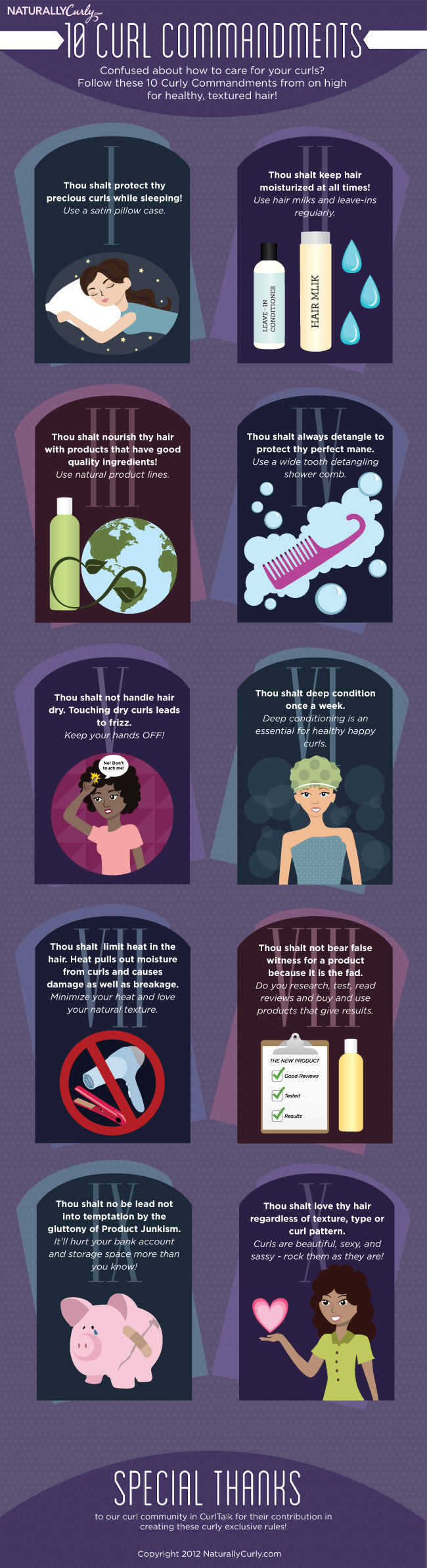
2. Deep Condition your hair about once a week. Consider co-washing instead of shampooing. I would even go as far as recommending that you add oils such as Jojoba and peppermint to your conditioners.

3. Reduce the amount of heat that you use on your hair, because its already getting exposure to dry air from heating systems thats used to heat your home and even your workplace. So after washing your hair instead of reaching for that hand blow dryer or that curling iron, try braiding/twisting your hair or roller setting it and let it hair dry. Besides you will be surprise at the cute styles that you can get from roller setting and braid/twist outs.

Hair Chronicles III: Protective Styles-Plaits


Plaits with loose ends


Wednesday, November 13, 2013

5 Easy Ways to Reduce Hair Breakage


  1. Cover your hair at night with a silk or satin bonnet/scarf to reduce friction and dryness. If you don't like to cover your hair at night then you can use a satin or silk pillow case.
  2. Minimize the amount of stress on your hair when removing knots by applying a leave-in conditioner and using a wide tooth comb. 
  3. Regular trims about 6-8 weeks will eliminate split ends and stop them from traveling up the hair shaft.
  4. Reduce dryness by using a moisturizing shampoo and conditioner that also strengthen your hair. One of my favorite brand for shampoo and conditioner is Shea Moisture. 
  5. If you already have breakage try a protein strengthening treatment. However be careful with the treatments because too much protein can dry out the hair. The best way to get the desired result is to alternate between protein treatments and deep conditioner treatments.

Sunday, November 10, 2013

My Natural Hair Journey


My Hair Journey
As a child growing up in rural Jamaica in the 1980‘s it was the norm to see children up to the age of 14 with natural hair. Of course there were one or two children whose parents permed their hair. And as this was the exception to the rule, those kids were looked down on, they were the outcasts. Often times than not, their parents were individuals who were not respected in the community.
So imagine my surprise when I moved to the United States (US) in 1990, where the script was flipped. Now I was the outsider, the outcast, and the exception to the rule. There I was in the 5th grade with my hair barrettes and pigtails. I was teased and riddiculed, my classmates even had a nickname for me.
However, despite the teasing and name calling, for a whole year I faithfully went to school with my barrettes and pigtails. Of course, I had no choice as my dad ruled with an iron fist and he was a firm believer that kids should dress and look like kids. At the time, unfortunately for me getting a perm was out the question. To my little mind I was being cheated out of this experience, so for that year I worked on convincing my mom to let me get a perm. She finally gave in and the following summer my older sister put in my first perm. 
Then, after that it was perm, braids and weaves for the next 13 years. During this period my hair became damaged from over processing. It was also thining and breaking from the braids and weaves. And to top it off, I had to color my hair because I inherited early graying from my dad.  
Finally the summer of 2003 after I graduated from college I decided to go for the big chop and cut off all my permed hair. I had about an inch of hair on my head, but I felt free. I felt like myself, beautiful and confident. 
Unfortunately two years later, I succumbed to the “creamy crack” again. Looking back I realized that I did this to fit the image of a professional woman working in corporate America. This is not an excuse, but for so many of us its easier to fit that mold than to stand out as individuals. 
Four years later I went back to my roots, this time I didn’t do a big chop. Instead I gradually grew out the perm and each time I went to the hairdresser I would have them trim some of the straight ends off. 
Working through this transition from permed back to being all natural was a learning process. This time around I intend to make it a life commitment, even when its not fashionable. For me this is a lifestyle and not a fashion statement. 
Due inpart to this commitment I have been doing extensive research to find the right products that work for my hair. There are tons of information out there, but taking the time to filter through it can be cumbersome. If you’re dedicated, then you will find the time to do what is necessary.
Researching products has been very valuable. I have found that there are ten ingredients that must be avoided, and they are: Isopropyl Alcohol, Mineral and petrolatum, PEG ( polyethylene glycol), Propylene Glycol (PG), Sodium Lauryl Sufate, Chlorine, DEA, FD&C  Color Pigments, Synthetic Fragrance and Imidazolidinyl Urea. I’ve also found that there are good ingredients that I should look for when purchasing hair products, and they are: water, coconut oil, shea butter, olive oil, jojoba oil, avocado oil. aloe vera and caster oil.
Recently I have been reaping the benefits from all my hard work. Within the last 6-9 months I have seen tremendous hair growth and length retention. My hair is now very thick and manageable.  As explained before, none of this was overnight, most of it was because of my commitment to researching and developing a routine that works for my hair. 
Even though I’m seeing results, I am still a student on this journey of self-actualization and I invite all of you to join me in order to discover what works for your particular hair type. 

Friday, November 2, 2012

Wash-N-Go: using Cantu Shea Butter

2nd pic.- when I came out of the shower.
1st pic- an hour later, my hair is almost dry. My curls look really good.

Tuesday, October 30, 2012

3 Quick Ways to Protect your Hair in the Winter

1. Protect your hair when you go out- by wearing a hat.
2. Ladies in summer time we love to wear wash-n-go but in the winter time it's a no-go. Besides you can get really sick.
3. Protective hairstyles- all the way.

Any other suggestions, please feel free to post.

Friday, October 19, 2012

Tip Of The Day

When detangling your hair, always start from the ends and then inch your way up to roots. Also remember to use a wide tooth comb.

Thursday, October 18, 2012

Top 10 Questions

After taking some time off...I am back at it.

Top 10 Questions I've received in the past:
1. Can I touch your hair?

Answer: No, unless I have a close relationship with that individual. I'm old school, I tend to think that touching someone's hair is such a personal act.

2. What is your hair routine?

Answer: In a nutshell: deep conditioning every other week; regular trims (about every 3 months); 80% of the time - wear hair in protective style; and oils (especially coconut and jojoba).

3. How long have you been natural?

Answer: about 3 years

4. What was your transitioning process?

Answer: The first time I did it was back in 2003 and I went for the big chop. The 2nd time I did a gradual transition.

5. What is your favorite hair product line?

Answer: I love me some Shea Moisture- everything in that product line works for my hair.

6. Do you ever straighten your hair?

Answer: Yes, about 2-3 times per year. I try not to do it too often.

7. Will you ever go back to perming your hair?

Answer: I went back once before and I have absolutely no plans to do it again. I love, love my natural hair.

8. Who styles your hair?

Answer: I do my hair almost 100% of the time. The only time my hair is done professionally is when I have it straightened out 2-3 times a year.

9. How do you keep your hair from looking dried out?

Answer: I use a homemade remedy that consists of coconut oil, jojoba oil and water. I spritz hair every morning to wake it up.

10. How do you detangle your hair?

Answer: I always detangle my hair in the shower when its wet and has the conditioner still in my hair.

Anything else you would like to know, just ask.


Sunday, July 8, 2012

Protective Styles

Protective styles are essential to maintain the health and length of your hair. I try to at least wear my hair in a protective style 80% of the time.

Tuesday, June 19, 2012

Tip of the Day

Don't use heat if egg is an ingredient in your home remedy deep conditioner or you'll end up with pieces of cooked eggs in your hair and not to mention that fried egg smell.

Monday, June 11, 2012

My Hair Routine


Developing a hair routine is essential to properly care for your hair. Some of us want length others just want to have curls that pop. Whatever your focus might be, we can all agree that we do not want dry brittle hair.  Therefore establishing a flexible routine from the start is a powerful tool to assist you with your natural hair journey. 
I've change my hair routine several times and currently I’m doing the following:
  1. Once a week (usually on Saturday mornings) I apply a homemade deep conditioner and also shampoo hair.
  2. Through out the week I keep my hair moisturized by spraying my hair each morning with a water and oil combination.
  3. Protective style at least 2 weeks out of each month. 
  4. Every 3 months I have my ends trimmed by a professional natural hairstylist.
Once a week routine:
1. Begin by completely wetting hair or shampoo hair (usually I use black soap or Shea Moisture shampoo)
  1. Then part hair into 4 sections- down the middle from front to back and then accross from ear to ear.
  2. Apply a Pre-poo (coconut oil with peppermint oil slightly heated) then add the deep conditioner- one section at a time.
  3. Once you complete each section braid it so its out of the way. Continue until you’re finish with all 4 sections.
  4. Cover with plastic cap for at least 30 minutes. 
  5. After about 30 minutes- detangle and washout conditioner one section at a time.
  6. Apply leave in conditioner and then style. 
Protective hairstyles are great to prevent split ends, hair breakage and to promote growth. A hairstyle is considered protective when a majority of the hair is tucked away, especially the ends. Styles such as braiding, twisting, bantu knots and locs. Protective styles can be achieved by almost any hair length. If there is enough growth to twirl around a ratt-tail comb you can do a coil as a protective style.  


Saturday, June 9, 2012

Natural hairstyles

Roller set on wet hair

Two strand hair while wet. Undo twist after hair dry with Shea Butter.